CASA PROGRAM
(AGES 3 TO 6)
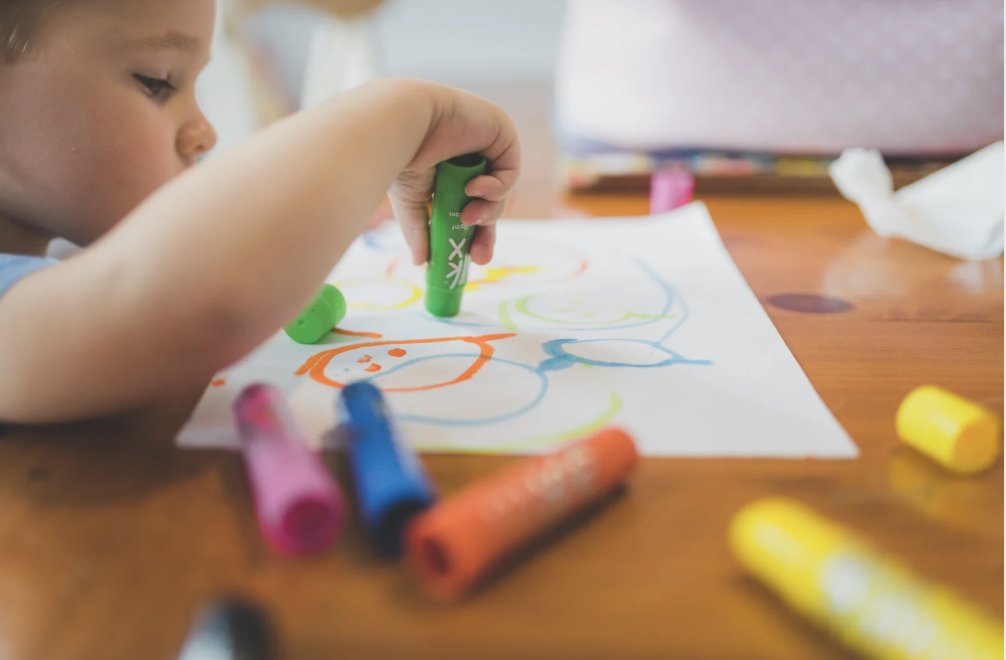
At Skyridge Montessori, we nurture a love of learning from the very start. In our Casa Program, children ages 3 to 6 explore, create, and collaborate in a joyful, safe, and supportive environment.
Guided by the Montessori Method, preschoolers develop self-confidence, independence, and critical thinking, while growing socially, emotionally, and intellectually. They take ownership of their learning, discovering the world at their own pace. Education for peace is at the heart of our approach.
Children learn respect, empathy, and the skills for peaceful conflict resolution, laying the foundation for a lifetime of mindful and compassionate citizenship.
Casa Program Highlights
-
LEARNING ENVIRONMENT
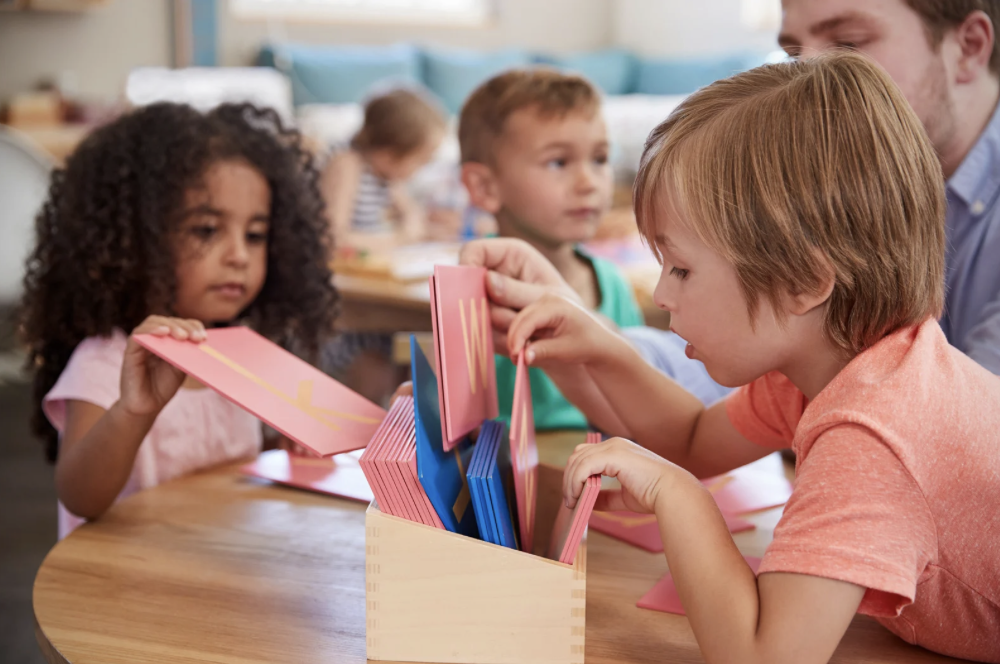
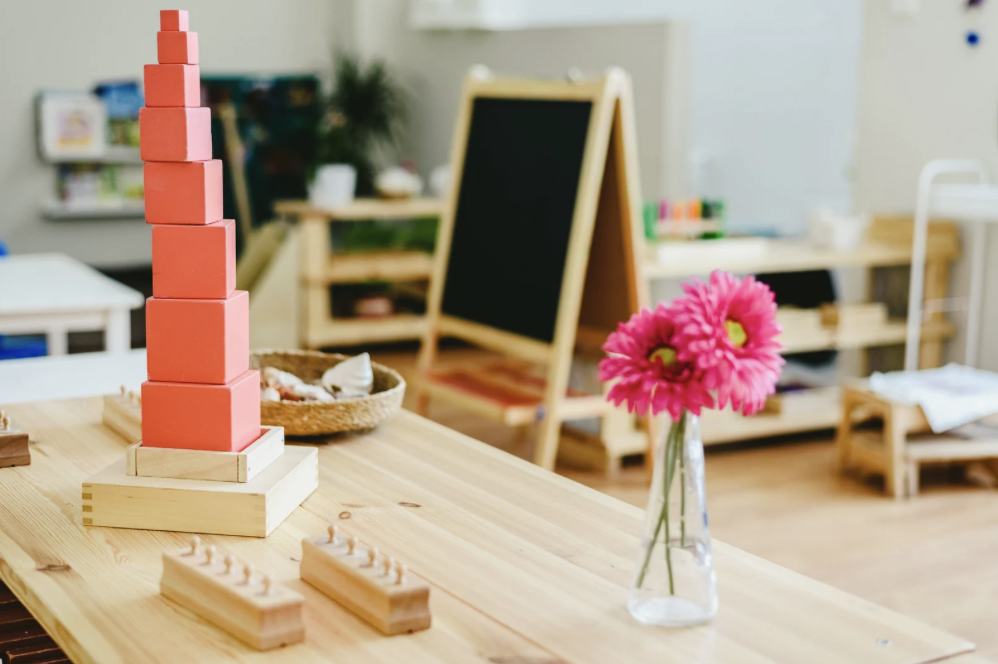
In our classrooms, trained teachers create a hands-on, child-centered environment tailored to each child’s abilities, interests, and learning style. Children work with specially designed materials that engage the senses and invite exploration, fostering curiosity and understanding.
Uninterrupted work periods allow children to choose meaningful activities, work at their own pace, and complete tasks fully. This cycle supports concentration, independence, coordination, responsibility, and a sense of order, helping each child absorb knowledge in a natural and joyful way.
-
KINDERGARTEN & LEADERSHIP
In their third year in Casa, children take pride in being the oldest, serving as role models and leaders for younger classmates. They reinforce their own learning by teaching concepts they have mastered, building confidence, self-esteem, and a sense of responsibility.
Kindergarteners are introduced to more advanced Montessori materials and lessons, consolidating previous knowledge into lasting understanding. This final year of Casa fosters independence, critical thinking, collaboration, and leadership, preparing children for a smooth transition to the Elementary Program.
-
ENRICHMENT & COMMUNITY
In addition to our core curriculum, children participate in a variety of enrichment activities that support their growth and connection to the school community. These include music and French lessons, buddy programs with older students, collaborative reading and garden projects, whole-school events, and a bridge program that helps Kindergarteners transition confidently to Lower Elementary.
-
PROGRAM SCHEDULE
Daily: 8:30 am – 3:30 pm
Weekly: Monday to Friday
Annual Schedule:
Casa Year 1 & 2: September to June.
School is closed in August. Optional Summer Camp available in July; separate registration required and spaces are limited.
Casa Kindergarten: September to June
Curriculum
At Skyridge Montessori, teachers carefully observe each child to create personalized learning plans that align with their interests and abilities. Lessons are introduced at the right time, letting children’s curiosity guide their learning while providing support and tools to help them grow.
After a demonstration, children choose activities and work independently or with a partner, developing patience, self-control, and independence. The Casa curriculum follows a three-year sequence, allowing children to progress at their own pace, often going beyond traditional classroom expectations.
Alongside academic skills, children build concentration, decision-making, courtesy, and community awareness, supporting social, emotional, and physical growth in line with Dr. Montessori’s vision of “treading always in the paths of joy and love.”
Casa classrooms focus on five areas of study: Practical Life, Sensorial, Math, Language, and Cultural Studies.
-
Children develop daily-life skills such as dressing, preparing snacks, caring for plants, and practicing social skills like kindness, sharing, and conflict resolution. These activities also promote independence and motor coordination.
-
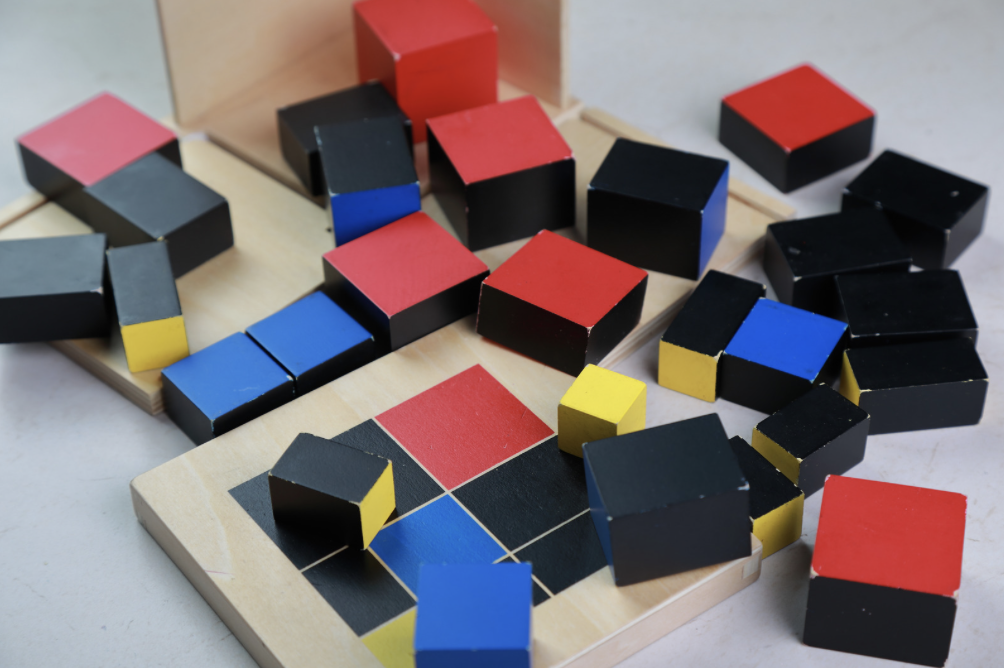
Children refine their senses, learning to describe and classify their experiences. Sensorial activities build foundational skills in observation, sorting, and discrimination, supporting later learning in math, language, and geometry.
-
Hands-on activities help children understand numerals, quantity, place value, and arithmetic operations. Through exploration, children grasp the meaning behind numbers rather than simply memorizing facts.
-
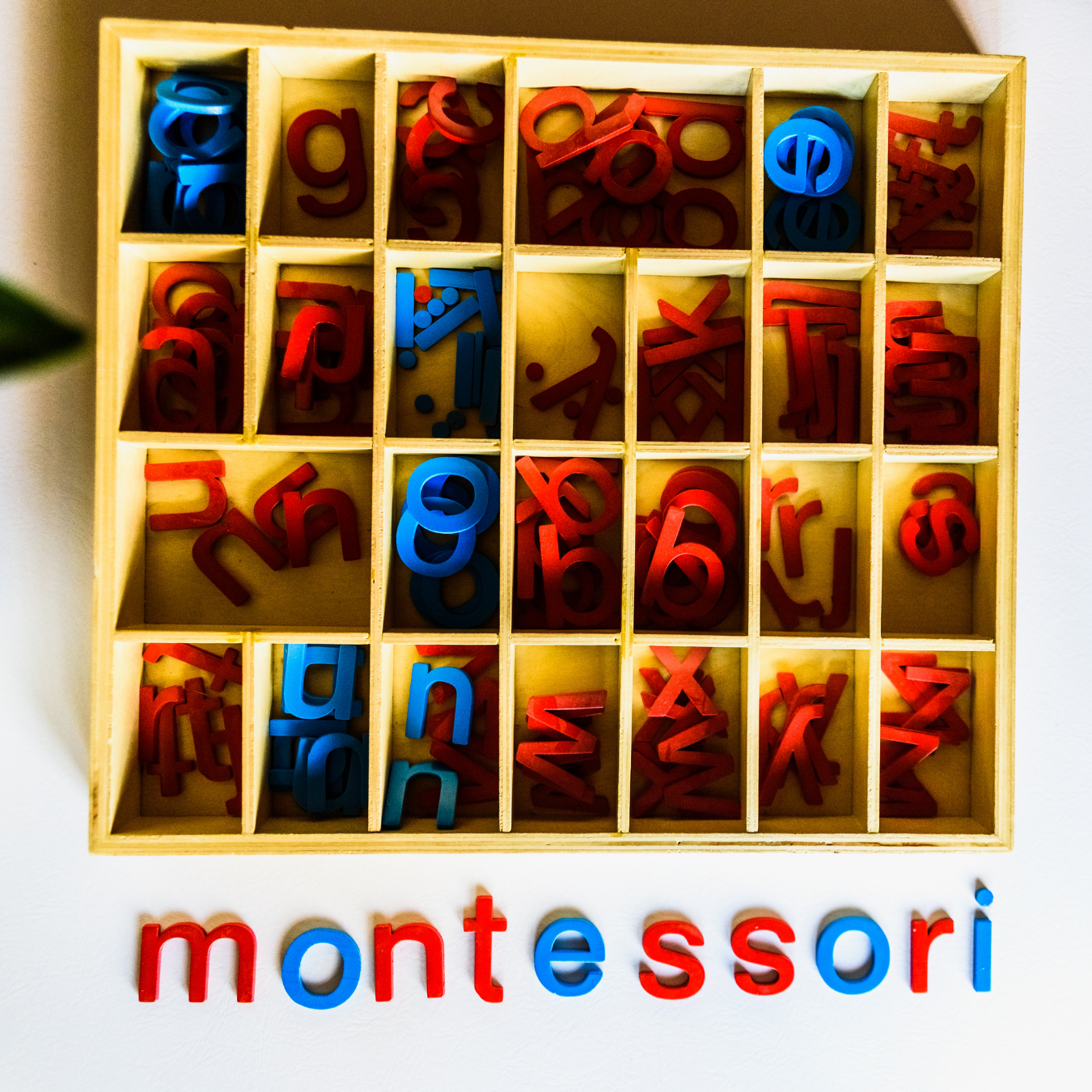
Language activities teach letter sounds, word formation, sentence building, writing, and reading. Children develop vocabulary, writing skills, and the ability to read naturally through hands-on Montessori materials.
-
Integrated lessons in history, geography, science, art, and music help children explore their community and the wider world. Discovering similarities and differences among people and places fosters respect, understanding, and appreciation for diversity and all living things.

Ready to join our Skyridge community?
Take the next step forward to enrolling with us.
Montessori Materials